

Can You Use Silicone Lube with Silicone Toys?
The question gets whispered into a search bar more often than almost anything else in the intimate wellness world. You finally invest in a beautiful silicone toy. You reach for the silicone lube your partner has had on the nightstand for years. And then the smallest hesitation interrupts the moment — wait, are these supposed to touch?
The short answer you have seen everywhere is no. The longer, more honest answer is that the truth lives in the nuance — and once you understand the chemistry, you stop guessing and start choosing with confidence.
Why the Warning Exists in the First Place
Silicone, as a material, has a particular relationship with itself. When liquid silicone meets cured solid silicone, the two can begin to bond. In practice, that bond can show up as a tacky, gummy patch on the surface of the toy — or, in worse cases, a soft spot, discolouration, or texture change that does not rub away.
Chemists describe it as the lubricant acting like a plasticiser, slowly absorbing into the toy and changing how the material behaves. With cheaper or less stable silicone formulations, that can happen quickly. With higher-grade platinum-cured silicone toys, it may not show up for hours, days, or ever.
This is why every reputable wellness brand and toy maker recommends the same default — when in doubt, choose water-based.
The Smarter Default: A Water-Based Lubricant Designed for Toys
If your toy collection includes anything made of silicone — and most premium toys today are — a thoughtfully formulated water-based lubricant is the safest, easiest, and most versatile choice. It rinses cleanly, plays well with virtually every body-safe material, and works with condoms.
A standout for this exact purpose is the Wicked Sensual Care Toy Love Water-Based Gel. As the name suggests, it was developed with toy compatibility as its design brief — a slightly thicker gel consistency for longer-lasting glide and a more cushioned feel, all while remaining silicone-free.
 Buy Wicked Sensual Care Toy Love Water-Based Gel
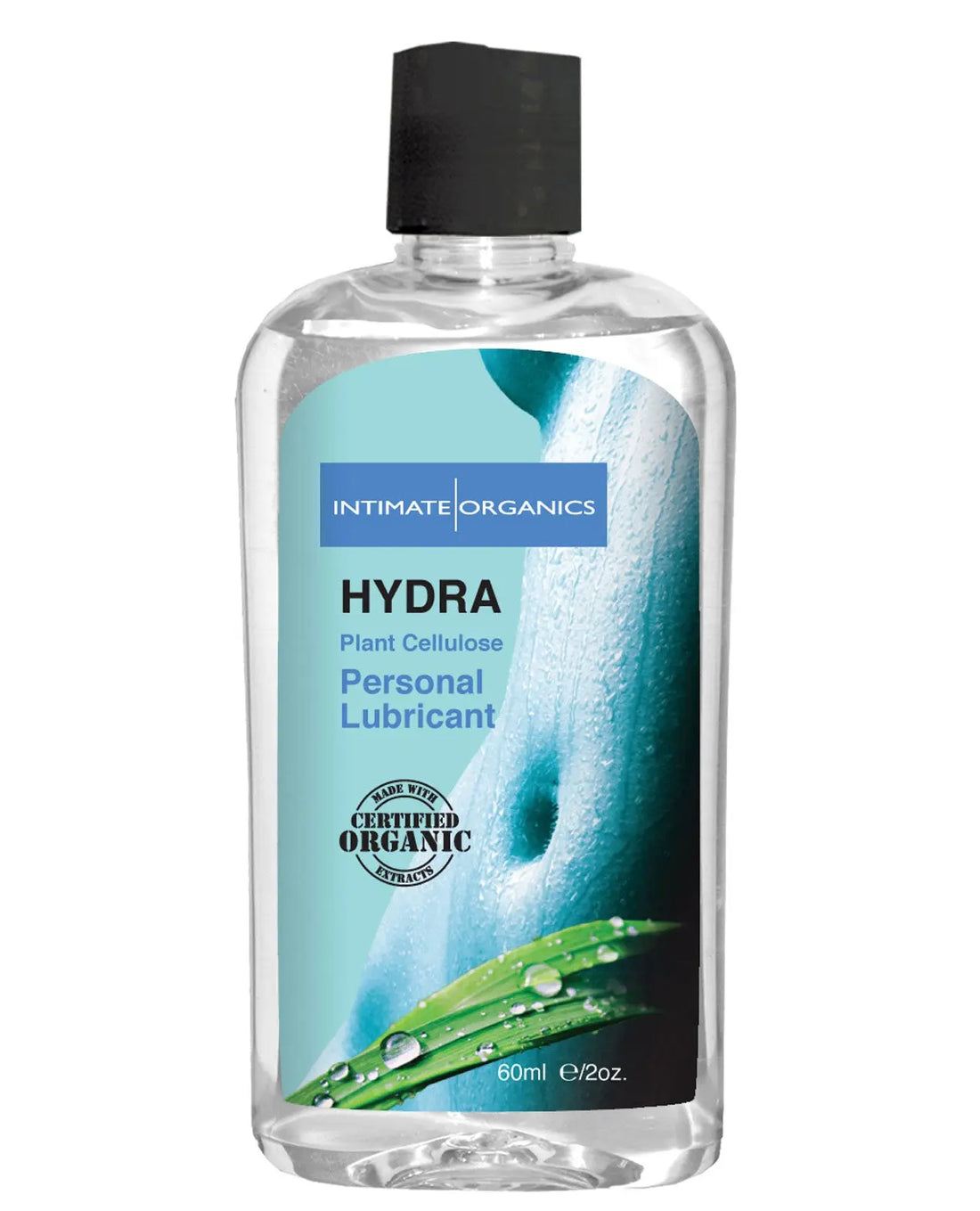
For something cleaner and more minimal, Sliquid H2O is a quiet cult favourite — glycerine-free, paraben-free, water-based, and made with a short ingredient list designed for sensitive bodies and silicone toys alike. And for those who prefer plant-based formulations, Intimate Earth Hydra uses plant cellulose instead of glycerine, offering a silky, natural-feeling glide that is gentle enough for daily use.


For Sensitive Skin: Quiet, Hypoallergenic Glide
Some bodies need gentler. If past lubricants have left you feeling irritated, swollen, or uncomfortable the next day, the issue is often glycerine, fragrance, or a too-long ingredient list — not lubricants themselves.
The Wicked Sensual Care Hypoallergenic Aqua Sensitive Water-Based Lubricant is formulated specifically for users who prefer fewer extras, with a minimalist water-based formula that stays silky without unnecessary additives. It pairs beautifully with silicone toys and feels closer to your body's own natural lubrication than heavier gel formulas.
 Buy Wicked Sensual Care Hypoallergenic Aqua Sensitive Water-Based Lubricant
A second worth knowing is Intimate Earth Moon Bloom, a hydrating water-based glide designed to soothe and support the body — particularly lovely for longer sessions or for anyone navigating dryness from stress, hormones, or simply a long week.

If You Crave Sensation: Warming and Cooling Done Safely
Water-based does not mean unadventurous. If you enjoy a little theatre — a slow flush of warmth, or a cooling tingle that sharpens every sensation — those experiences are still available without putting your toys at risk.
Wicked Sensual Care Toy Love Heat is a water-based warming lubricant designed with toy compatibility in mind — silky, gradually warming on contact with skin, and easy to rinse away. For the cooler counterpart, JO H2O Cooling offers a refreshing mint-tinged tingle that some users describe as electrifying without being aggressive. Both are silicone-toy safe and rinse cleanly with warm water.
 Buy Wicked Sensual Care Toy Love Heat

What About Hybrid Lubricants?
Hybrid lubes — formulas blending water and a small amount of silicone — exist precisely to bridge this gap. They aim to offer the longer-lasting glide of silicone with most of the cleanability of water-based. In many cases, manufacturers explicitly label them as toy-safe.
That said, hybrids still contain silicone ingredients, and not every silicone toy responds the same way. The honest advice from chemists, makers, and reviewers alike: spot test before committing. Apply a small drop to an inconspicuous area — the base of a toy, never the tip — wait an hour, and check for any stickiness, discolouration, or texture change. If nothing shifts, you are most likely fine. If anything looks off, switch to a pure water-based formula.
The Patch Test, Step by Step
Whether you are testing a hybrid lube or just being thoughtful with a new product on an existing toy, here is the simple ritual most reviewers recommend:
- Choose a discreet area — the base of a dildo, the underside of a vibrator handle.
- Apply a small drop of the lubricant.
- Set a timer for one hour, then check again at four to six hours if you have the patience.
- Inspect for any sign of stickiness, gumminess, softening, hardening, or colour change.
- If nothing has changed, gently wash the area with warm water and mild soap, and you are good to go.
The Cleaner We'd Pair With Your Water-Based Lube
Since you're already rethinking what touches your silicone toys, the cleaner you use afterward matters just as much as the lube you use during. A dedicated toy cleaner is gentler on silicone than dish soap or body wash, and it takes the guesswork out of "is this actually clean."

If you want the full picture on cleaning routines by material, our guide on how to clean sex toys safely walks through it step by step, and body-safe sex toy materials is worth a read if you're curious why silicone became the industry gold standard in the first place. You can also browse the full water-based lubricants collection to compare every toy-safe formula we carry.
Frequently Asked Questions
1. Will silicone lube instantly ruin a silicone toy?
Not always. Some silicone toys, particularly lower-quality ones, can show damage within minutes. Higher-grade platinum-cured silicone toys may show no visible change for hours or even longer. Because results depend entirely on the specific toy and the specific lubricant, the safest default is to either use a water-based lubricant or patch test before committing.
2. Are hybrid lubricants safe to use with silicone toys?
Most hybrid lubricants are formulated to be toy-friendly, and many are explicitly labelled as such. However, because they contain some silicone, the universal recommendation from both manufacturers and chemists is to spot test on a hidden area first. If the toy surface stays smooth and unchanged after an hour, the combination is most likely safe.
3. What lubricant should I avoid completely with silicone toys?
Pure silicone lubricants are the most likely to cause issues, particularly with lower-quality or unverified silicone toys. Oil-based lubricants, while not always damaging to silicone itself, can break down latex condoms and trap bacteria, so they are best avoided in most intimate scenarios. Water-based lubricants are universally compatible with silicone toys and condoms.
4. How do I clean a silicone toy after using lubricant?
For water-based lubricants, warm water and a mild fragrance-free soap is usually enough — most water-based formulas rinse away easily. After washing, pat the toy dry with a clean cloth and let it air dry completely before storing it in a clean, dust-free pouch or container. For deeper cleaning between uses, a dedicated toy cleaner spray can add an extra layer of hygiene reassurance.
The Calm Bottom Line
Silicone lube and silicone toys can sometimes coexist peacefully — but the cost of being wrong is a beautiful toy you have to replace. A premium water-based lubricant, chosen with intention, makes the whole question quietly disappear. Your toys last longer. Your skin stays happier. And nothing interrupts the moment.
Slow is luxurious. Safe is sexy. Both can be true at once.


